• Home
  • Blog
  • Archives
  • Links
  • Guest Blogger
  • Contact us
  • Privacy Policy

Organic Gardening Tips

How to garden organically

  • organic gardening tips
  • organic home garden
  • organic insecticide
  • growing organic vegetables
  • growing organic

You are here: Home / Archives for Garden Maintenance

Shrub Care: Giving Your Garden Shrubs a Little TLC

by Trish

Shrubs are considered as the backbone of a great-looking garden. They lend a pop of color and texture to the space by producing attractive flowers and foliage and interesting shapes year-round. Although shrubs require less work compared to other plants and are actually hardy in nature, they nevertheless need constant care to stay in tip-top shape. So, if you’re tending to shrubs in your garden, here are some useful tips you can use to give them the tender loving care they need.

Inspect and prune

Like other plants, shrubs are susceptible to diseases, which is why it is important that you regularly look after them to keep diseases at bay. Inspect your shrubs for dead, diseased and damaged stems, crossing branches and overgrowth. Then, prune these problem parts as they can invite and transfer diseases to other plants. Shrubs that produce several shoots from the ground require the removal of older ones from time to time to allow better growth and produce strong young shoots. Mushrooms aren’t usually a cause for concern unless they’re growing in clumps near the trunks of shrubs. In such case, they can be an indication of root rot or decay so watch out for them while doing your inspection.

Get the soil tested

Every fall, it is best to take samples of your garden soil for nutrient analysis. This way, you will know if there is an imbalance in your lawn and be able to feed the soil with the right amount of fertilizer. For instance, if the soil where your shrubs are planted shows nutrient deficiency, it will be wise to use slow-release fertilizer over the soil during winter, so that the nutrients will be released by spring.

Cover with mulch

To insulate your shrubs and give them enough time to grow and improve their ability to take sufficient amounts of water and nutrients, cover their soil with organic mulch. Over winter, mulch serves as a protective layer that reduces shrub root drying and also helps improve the structure of the soil.

Proper distribution is important when applying mulch. There should be no mulch right at the stems of the shrubs, and you should gradually increase the application from 1 to 2 inches thick as you go along the shrubs’ drip line or their crowns’ outer projection. Resist the urge to pile a large mound of mulch at the base of the shrubs. If you do, the mulch will trap too much moisture which can cause rotting and disease.

Keep pests at bay

Some pests are attracted to shrubs, attacking them especially during spring and summer, and they can still cause a problem even as the weather cools. If you suspect that your garden shrubbery is infested, consider calling a professional for an assessment so as to prevent the pest from attacking other plants and for you to get the right solution to the problem at hand.

Transplant

Shrubs need to be transplanted or repotted to give their roots more space to grow. Hence, consider doing this to promote growth and let your shrubs have a better environment where they can absorb moisture and nutrients.

Fall is usually the best time to transplant shrubs because the plants do not support too much leaves and will permit their roots to grow. However, you must also be careful when transplanting during this season as there are some shrubs that don’t like to be moved during winter. Before you transplant anything, do a research first about these fall planting hazards as you might have some of them in your garden.

Protect them

Shrubs that are exposed to high winds, too much sun or salt should be protected to avoid injuring them. Hence, wrap their trunks with burlap trunk wrap or paper before winter sets in. You can also create a windshield by placing stakes into the ground and attaching the burlap to the poles. By early spring, before the shrubs start to grow, you should remove the coverings so as to avoid damaging their branches.

If, in the past, you’ve encountered branch break due to heavy snow loads, consider tying your shrubs with twine. Start on a low branch then move upward, gently folding the branches. This is highly recommended for delicate shrubs.

The guest post above was penned by Ericka in behalf of www.mcintyremasonry.co.uk Ericka is passionate about gardening and home improvement, inspiring her to write useful posts about these two subjects.



Filed Under: Garden Maintenance Tagged With: disease, flowers, foliage, garden, Garden Shrubs, inspect, mulch, pests, plants, protect, prune, Shrub Care, soil, tlc, Transplant

Chemical Free Gardening: 3 Natural Pest Control Methods

by Trish

Healthier crops can easily be grown without them being exposed to toxic chemicals especially when dealing with pests. You simply must ensure that your garden full of crops stays eco-friendly when you eradicate pests that can destroy your hard work. When you do your research and utilize different methods such as rotating crops, natural pest control and sustainable garden techniques, your garden will successfully be healthy and free from pests. Here are a few simple and inexpensive gardening methods you can practice if you are determined to maintain healthy crops and an eco-friendly garden. Remember that patience, determination and regular care will help you along the way, so do not give up easily.

Proven Natural Pest Control Methods

Here are three eco-friendly gardening pest control methods used in many gardens throughout the years.

Crop Rotation

One simple method of controlling pests is by implementing crop rotation. As there are different plant families, you can opt to invest in one plant family for the year and then plant another family in the following year. Many professional gardeners have been using this method of gardening to prevent pests from attacking their gardens. Keep rotating your crop planting every year and keep in mind to add in plants that attract beneficial pests to help keep harmful pests away.

Sustainable Garden Techniques

Garden techniques such as plant spacing, mulching, plant inspection and eliminating infected plants have always been used through the years. They ensure that natural pest control methods are only used in gardens and they also assist in the healthy growth of plants. When pests are detected on the plants, these pests are hand-picked and killed. This will also help you identify which type of pest has been attacking your garden, thus allowing you to apply the correct method of pest control according to the pest you are dealing with. Even weeding and removing the debris whenever you practice sanitation schedules, will help you have a garden that is ready and healthy for the following year’s planting.

Natural Pest Control

Surely there are plenty of over the counter pest control products being sold in the market today, but a majority of them are actually harmful to a garden. If you are looking for pest control products that are effective, you can use products made from natural ingredients or make your own formulations at home. Such products are called natural because of the ingredients being used and chemicals are avoided. If you are planning on making your own pest control products you can look for pure essential oils and extracts being sold in specializing stores. Even fresh and dried herbs can be used to make such products.

Stick To Natural Methods

When the soil of your garden is healthy, your crops will be healthy as they will be able to resist pests and other plant diseases. There are many garden treatments that are rich in nutrients, but are not made from natural ingredients. These treatments must always be avoided. Instead of pesticides, the application of beneficial pests and natural pest control products can keep the annoying critters away without harming the crops. However, if you only notice a pest infestation too late and it has already inflicted massive damages to your garden, then you must consult with a pest control professional who can also help you keep your garden safe from toxic chemicals when eradicating pests.

Citations:
  • Photographed by kariatx.
Attached Images:
  •  License: Royalty Free or iStock source: http://mrg.bz/2S3Xg

Valerie Banks is a freelance writer specializing in natural pest control methods. She regularly contributes pest control articles for Rove Pest Control websites where a well experienced professional can be consulted.

Filed Under: Garden Maintenance, green pest control, growing organic Tagged With: chemical free, crop rotation, crops, eco friendly, garden, gardening, grow, healthy, methods, Pest control, pests, technique, toxic

Top 8 Gardening Mistakes and How to Fix Them Easily

by Trish

Gardening mistakes are far more common than you may think, and many people who are new to this hobby will make several. Therefore, discovering the top 8 gardening mistakes and how to fix them easily will ensure that you are better informed.

Choosing the wrong plants

One of the biggest mistakes that new gardeners make is choosing the wrong plants. If you make the right decision in the beginning, it can guarantee that your plants thrive. You need to consider several elements, including the climate for where you live to ensure that the plants will survive.

Caring for your lawn

Many people think that you simply need to cut the grass and then the lawn will look amazing; however, this is one of the harder areas to get right in your garden. You need to ensure that you learn how to cut the grass correctly, to produce an even length, and top quality lawn. You need to ensure that you keep on top of cutting the grass, and care for your lawn like every other area.

Choosing the wrong location

There are both good and bad spots in your garden for the plants that you have carefully chosen, therefore, you need to ensure that you choose wisely. Taking the time to select the perfect place for every plant will guarantee that it thrives, and that you do not despair. Preparation is essential with all plants, and will help them to grow.

Removing plants instead of weeds

A common mistake to make when you are a novice gardener is not realizing the difference between weeds and plants. Many people pull up new plants thinking that they are weeds, which is a shame, and can ruin the look of your garden. Therefore, using tags or markers is essential, and will ensure that the plants stay in the ground.

Bad soil preparation

You cannot simply plant things in the soil in the garden and expect the plants to thrive. Some plants may do well, however, to give your garden the best chance of survival you need to prepare the soil. Testing the soil and discovering what style is in your garden is necessary, and can help you to prepare it in advance.

Watering issues

Both too little, and too much water can have a huge effect on the life span of your garden, and far too many novice gardeners get this wrong. As your plants mature, they will need consistent watering, and even deep soaking. If you are unsure a water irrigation system is ideal, and will allow you to water correctly.

Excessive fertilizer

Fertilizer is good for gardens, however, if an excessive amount is used, you may discover that your plants have bad problems. The nitrogen within the fertilizer can be an issue, and will destroy the stems of the plants, therefore, little amounts is advised.

Overplanting is common

All new gardeners get excited about the possibilities they can create in their gardens, however, this can lead to planting too many plants. If you plant too many seeds, they will go to waste, which will be heart breaking when they die. Being cautious with your garden is ideal, and will ensure that you learn the top 8 gardening mistakes and how to fix them correctly.

Since his childhood. Karen has been passionate about home decors. You can visit her site if you want to get more information on buying durable patio furniture covers as well as grill covers at Outdoor Cover Pros.

Filed Under: Garden Maintenance Tagged With: easy, fix, garden, gardening mistakes, hobby, lawn, location, overplanting, plants, soil, watering, weeds, wrong plants

4 Common Compost Problems and How to Fix Them

by Trish

Despite the fact that compost problems are inevitable, the good thing is that most of them can be easily fixed. Below are 4 Common Compost Problems and How to Fix Them.

Wet, soggy or slimy compost


There is nothing that can be worst as cold, slimy compost. A slimy compost is caused by three factors; excessive moisture, poor aeration and insufficient nitrogen material in the pile. A compost which has been overburdened by materials that wads down when wet-spoiled hay, grass clippings and a heap of uncut tree leaves can become so dense in a manner that makes the pile center to lack air. When such a heap is left uncovered for a long period of rainy season, without it being turned to allow air penetrate to the center, you will end up with a soggy lump.

The microorganisms responsible for the cooking of compost are known as Aerobic bacteria. These microorganisms cannot live under such poor oxygen supplied environment. Instead, you welcome anaerobic bacteria since they do not require air to survive. Your microbe will eventually compost, but will take a period longer than aerobic bacteria.

Soggy compost is easy to fix. If wet weather is one part of the problem, then place a loose fitting lid over the pile. In addition, turn the pile over while fluffing it thoroughly. If you have some nitrogen rich ingredients and fibrous ingredients such as saw dust add them into the pile to help in getting things cook. Your pile will heat within few days after which you should keep it cooking by overturning it every 7-14 days.

Dry and dusty compost

If you live in the West, chances are that you experience dry and dusty weather conditions from time to time. This is most common from the month of May to October when summer rains are practically nonexistent. Regardless of the material you pile up, stack does not get sufficient moisture for bacterial life support necessary for speeding the composting process. However, if you have dry and dusty compost, you just need to water It; that is a problem fully solved.

The rule of the thumb here is; your compost components should always feel as wet as a soggy sponge. You can place an oscillating sprinkler on top of the dry compost and run it for 30 minutes, so as to moisten the materials. Sometimes, you need to turn your pile and water layers before attending your daily chores.

Unwelcome visitors on the compost

If your compost is attracting unwanted visitors such as mice, rats, ants and flies, you probably might have added some food craps such as meat or fish bones. To prevent unwanted visitors from your compost ensure that the lid is secure and that there are no gaps left. Also ensure that you pout food scraps in the middle and cover them. Mixing the compost thoroughly will also discourage ants and mice from coming to your compost.

Smelly compost

Smelly compost is caused by too wet materials which do not allow oxygen to decompose properly. To prevent foul odor, add carbon rich brown material (such as dry leaves or hay) or add garden lime. Rotating the pile once per week will allow air to get into the middle and hence prevent the formation of a foul odor.

These are some of the common problems you will most likely face. Understanding how to solve each of the problems will help you have an easier time in preparing your compost.

This article has been written by Charles who loves to cover gardening tips. You can have a look at his site where he talks about Indoor Water Walls and Sunrise Springs wall fountain.

Filed Under: Garden Maintenance, growing organically Tagged With: aeration, ants, compost problems, dry, dusty, fix, flies, mice, moisture, nitrogen, rats, slimy, smelly, soggy

What Can You Do When Stung by Bees or Wasps?

by Trish

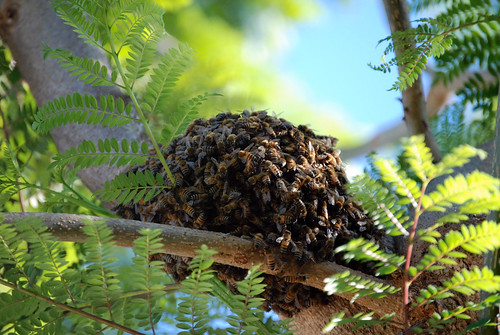
Seeing a bee or a wasp fly around will usually put any person on high alert. Our danger sensors are on high alert, ready for the insect to come swooping down and attack us at any time. Our vigilance is well-placed since these insects are very notorious and they have the most vicious sting of all pests.

Bees and wasps have a modified egg-laying apparatus known as ovipositor or stinger. The stinger is used to subdue prey and also to defend their nests. These insects sting rather than bite to inflict their venom and injure their attacker. The venom is then injected into the wound made by the stinger. The venom contains chemicals that can induce pain, and it may also contain toxic proteins that can induce allergic reactions to highly sensitive people. Bees and wasps usually attack people when their hive is disturbed or out of defense.

Bees And Wasps Can Be Aggressive If Provoked

These insects normally do not sting people, especially if you do not do anything to provoke them. If they fly close to you, you can stand still and they won’t even mind you. However, if you try to swat the bees or wasps and miss, it is possible that the insects will view you as their attacker, which could lead to being stung. In addition, bee stings also usually occur if you have disturbed their bee hive. These insects can be very dangerous because in addition to carrying their venom and toxic proteins in their body, they can also attack as a group.

The Dangers of Bee and Wasp Stings

Among the biggest risks from bee and wasp stings are: allergic reaction and infection. A person can be stung by bees and wasps anywhere on his/her body, and it can be painful and frightening. Here are some of the symptoms of a bee or wasp sting:

  • Pain
  • Swelling
  • Warmth in the surrounding area of the sting
  • Hives
  • Small amounts of bleeding
  • Redness
  • Itching

The general symptoms that can indicate a more serious or life-threatening allergic reactions are:

  • Tickling in the throat
  • Breathing problems
  • Nausea and vomiting
  • Anxiety
  • Sweating
  • Coughing
  • Itching in other areas of the body aside from the sting area

Treatment For Stings

There are certain specific treatments for stings, but it can be determined by your doctor. Local reactions usually do not lead to serious reactions, but they can still be dangerous if the sting occurs in the mouth, nose or throat area since the swelling might close off the airway. The treatments for local reactions include:

  1. Removal of the stinger. Gently scuff across the site with a blunt-edged object. You must not try to pull out the stinger using tweezers since this may release more venom.
  2. Wash the sting area with soap and water, and apply a cold or ice pack wrapped with cloth. This will help reduce swelling and pain, and prevent infection.
  3. If the sting is on the arm or leg, you must elevate the limb to reduce swelling
  4. To reduce itching, you can apply a paste of baking soda and water, and leave it for 15 to 20 minutes. You can also apply a wet tea bag and leave it for 15 to 20 minutes. Another remedy for itching and pain is the application of antihistamine, corticosteroid cream, or calamine lotion.
  5. Observe the individual for the next hour for any signs of developing allergic reaction which will need immediate emergency medical treatment.

If the individual develops the symptoms of severe allergic reaction, immediately call for your local emergency service. Emergency treatment may include:

  • Laboratory tests
  • Breathing support
  • Epinephrine
  • Intravenous antihistamines
  • Other specific medications

About 3% of the population is allergic to the toxic proteins carried by bees and wasps, resulting in a life-threatening reaction to the sting called anaphylaxis, which is a fatal allergic reaction. For this reason, if your area is known to have bee or wasp hives, it is best to address the infestation early on. You can also take preventive measures to avoid being stung, such as spraying your clothes with repellant, avoid wearing perfumes or other scented products, and avoid locations where hives and nests are present.

Citations:
  • doublej11. “Run ! !”. June 30, 2007. Online Image. Flickr. Oct. 15, 2012

Kris Lim is a health blogger who specializes in allergic reactions from insect bites and stings, such as from bees and wasps. She also contributes her advice and tips to pest control professionals at RovePestControlReviews.com.

Filed Under: Garden Maintenance Tagged With: alert, allergic reaction, bee, bee sting, danger, fly, hives, painful, stinger, stung, swelling, venom, wasp, wasp sting

  • 1
  • 2
  • 3
  • Next Page »

Categories

Stay Up To Date!

 Subscribe to Organic Gardening Tips in your favorite RSS reader - It's FREE!

OR

Get our FREE newsletter delivered to you by email.


Follow me on Twitter!

Organic Gardening

Whether you are an experienced gardener or a beginner the Rodale's Illustrated Encyclopedia of Organic Gardening contains tips and techniques that will help you create a healthy, eco-friendly garden.    Learn how to grow amazingly beautiful flowers, wholesome organic fruits and vegetables, and top-quality herbs.  Discover how to garden without chemicals, and how to maintain an organic garden year-round.

Recent Posts

  • The Top Vegetable Gardening Questions Answered
  • How To Make A Homegrown Chrysanthemum Pest Repellent
  • Shrub Care: Giving Your Garden Shrubs a Little TLC
  • Outdoor Space Lighting: Tips to Beautify and Properly Illuminate Your Outdoor Space
  • The Benefits of Growing Your Own Organic Vegetable Garden
  • Chemical Free Gardening: 3 Natural Pest Control Methods
  • Top 8 Gardening Mistakes and How to Fix Them Easily
  • Planting Vegetable Gardens In Raised Beds
  • 4 Common Compost Problems and How to Fix Them
  • 6 Natural Alternatives to Lawn and Garden Chemicals

Recent Comments

  • Using Herbs from a Home Herb Garden — Organic Gardening Tips on A Kitchen Herb Garden Is Easy and Enjoyable
  • sam @ garden dweller on Living Green
  • Home and Garden Blogger on My thirsty garden
  • Don@gardening sheds on The butterflies early arrival in Toronto
  • Cyra on The butterflies early arrival in Toronto

Pages

  • Archives
  • Become a Guest Blogger For Organic Gardening Tips
  • Blog
  • Contact us
  • Links
  • Privacy Policy

Tags

and bacteria benefits casting cloning compost control farm Farming flowers food free garden gardening gardens germination green growing guano health herb herbal home hydroponics indoor inoculant light natural nutrient organic outdoor pest pesticide pesticides pests plant plants predators seeds soil tomatoes vegetable vegetables video worm

Site Stats

Visitors

Meta

  • Log in
  • Entries feed
  • Comments feed
  • WordPress.org

Connect With Us

  • Facebook
  • Flickr
  • Instagram
  • Pinterest
  • RSS
  • Twitter

Copyright © 2026 · Lifestyle Pro Theme on Genesis Framework · WordPress · Log in