• Home
  • Blog
  • Archives
  • Links
  • Guest Blogger
  • Contact us
  • Privacy Policy

Organic Gardening Tips

How to garden organically

  • organic gardening tips
  • organic home garden
  • organic insecticide
  • growing organic vegetables
  • growing organic

You are here: Home / 2012 / Archives for September 2012

Archives for September 2012

Common Animals That Do Damage to Your Organic Vegetable Garden and Eco-Friendly Ways of Getting Rid of Them

by Trish

Organic vegetable gardens can give you a lot of benefits. One, it provides you the greens you need for your table. Not only are you assured of its freshness, but you are also assured of how they’re grown – no artificial fertilizes and no artificial pesticides. Two, you can sell your food produce for additional income. Three, the plants, especially those that produce flowers, will lend beauty to any garden. Four, gardening is a very relaxing hobby. It can ease away stress and tension from your body.

However, your vegetable garden does not just benefit you and your family, but it also benefits three types of animals that do significant damage to them.

Groundhogs

Groundhogs, also commonly called woodchucks, are one of the most common garden pests. These creatures burrow underground, creating tunnels and holes. The burrows can displace the soil, causing it to collapse and do damage to the vegetable plants above.

To get rid of groundhogs, you can set up traps. This will trap the animal, and you can simply relocate them to another place far from your vegetable garden. If traps are not enough to keep them away, you can install fences around your garden. Of note though; if you’re going to put up fences, see to it that you bury a portion of the fence deep below the ground to prevent them from digging under the fence and getting to your plants.

Skunks

Skunks are also considered as garden pests. They usually forage for food at night and could easily eat through your vegetable garden. Not only do they eat vegetables and fruits, but they also eat insects that are beneficial to your garden.

Getting rid of skunks is easier than getting rid of groundhogs. The first step that you need to do is to make sure that your trash cans are located far from your vegetable garden and that they also have covers. As food scavengers, skunks will also forage for food in the trash bin, and giving them easy access to food will make them loiter around your home. Installing chicken write as well as bright lighting around your garden will also help in keeping them away.

Rabbits

It isn’t just carrots that rabbits love, but they will also eat anything that they can find in your garden. They can go through your cabbage patch in one night and leave bite marks on your fruits. Since they breed quickly and easily, your garden will soon be overrun by these pesky animals.

To control rabbit population, you can also install fences along the perimeter of your garden. This can keep the rabbits out. However, because they can also easily dig under the fence, you have to see to it that the fence is buried deeper underground. In addition to fencing, you can also try rabbit repellants. Some of these include crushed garlic placed around the vegetable crops as well as cat hair or cat litter scattered around the garden.

These pesky animals can cause a lot of damage to your organic vegetable garden; however, their population can be controlled. If you can’t control their population, then hire a pest control provider to get rid of them for you the humane yet effective way.

Jennifer Dallman writes for an Anaheim pest control provider. If you’re having problems with pesky animals damaging your vegetable garden, then don’t hesitate to get in touch with your local pest control company.


Filed Under: Garden Maintenance, green pest control, growing organic vegetables Tagged With: animals, cover trash, damage, eat, food scavengers, fresh, Groundhogs, install fences, organic, pests, rabbits, Skunks, vegetable gardens

Garden Blooms

by Tricia

It’s been warm and sunny all weekend here in Toronto. So warm in fact that the garden desperately needed some care and watering!

It’s supposed to rain later in the week and I’m actually looking forward to that. We’ve seen so little rain this summer. It will be good for the garden. If it comes – that is. I know if we do get some good rains my plants will be very happy and I’ll get some more good blooms before it starts to cool off.

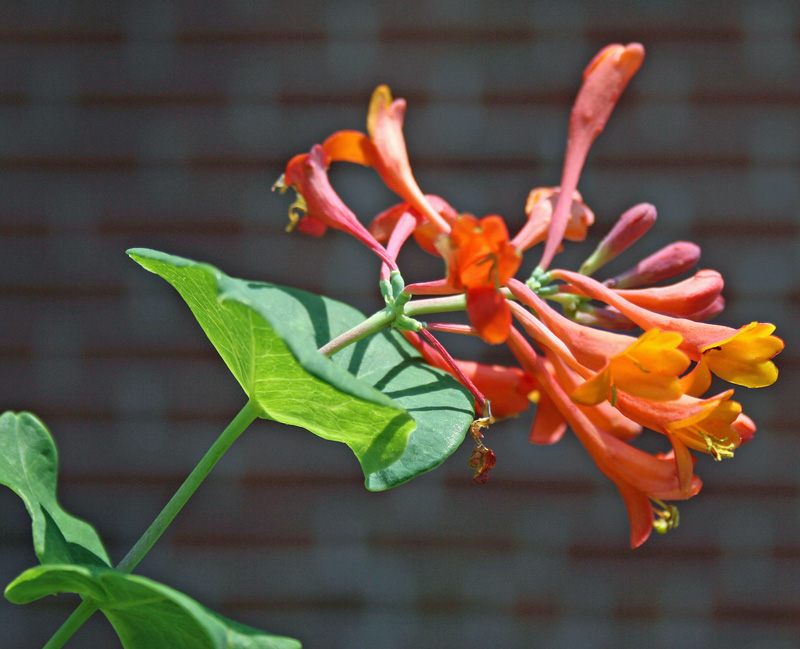
honeysuckle

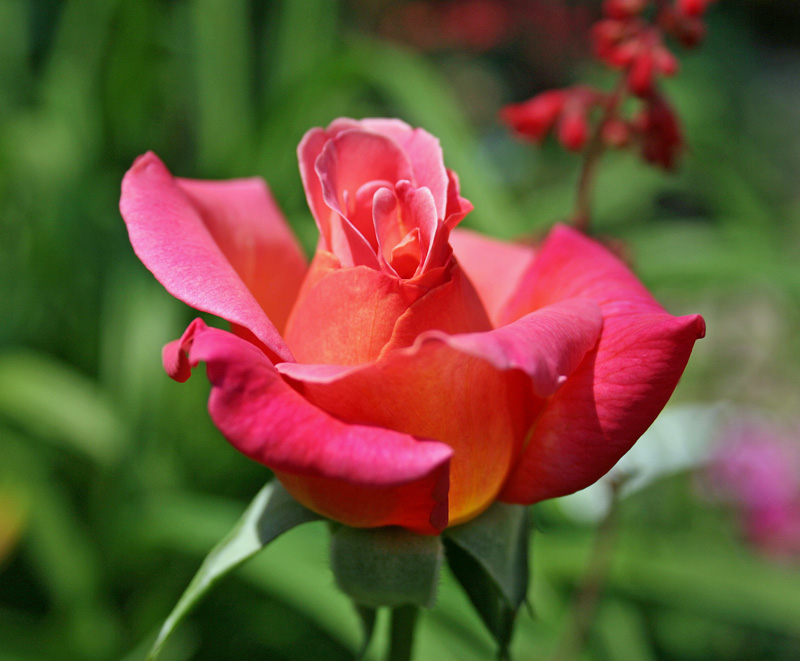
Right now I have several plants blooming in my garden, but not nearly as many as I normally would at this time of the year. I have Gladiolus blooming – a little late, but I think that’s due to the hot summer we’ve had. Other plants in bloom include Phlox, a variety of roses, Brown Eyed Susans, Petunias, Honeysuckle, Impatiens, Hydrangea, Sedum, and a few of my Clematis.

tiffany rose

Even my Rose of Sharon is blooming. It’s been blooming since early July. Usually it’s done blooming by mid-August at the latest but again, I think because of the hot dry summer it slowed down it’s blooms and now that it’s a tad cooler and we’re getting more rain or I’m watering more it’s starting to bloom again. Very odd.

What’s blooming in your garden at the end of this lovely long weekend?

Follow my blog with Bloglovin

Filed Under: Summer in the Garden, What's Growing Tagged With: blooming, blooms, brown eyed susan, clematis, drought, dry, extended blooms, garden, gladiolus, growing, honeysuckle, hot, hydrangeas, impatiens, long weekend, petunias, phlox, plants, rain, Rose of Sharon, sedum, summer, toronto

Categories

Stay Up To Date!

 Subscribe to Organic Gardening Tips in your favorite RSS reader - It's FREE!

OR

Get our FREE newsletter delivered to you by email.


Follow me on Twitter!

Organic Gardening

Whether you are an experienced gardener or a beginner the Rodale's Illustrated Encyclopedia of Organic Gardening contains tips and techniques that will help you create a healthy, eco-friendly garden.    Learn how to grow amazingly beautiful flowers, wholesome organic fruits and vegetables, and top-quality herbs.  Discover how to garden without chemicals, and how to maintain an organic garden year-round.

Recent Posts

  • The Top Vegetable Gardening Questions Answered
  • How To Make A Homegrown Chrysanthemum Pest Repellent
  • Shrub Care: Giving Your Garden Shrubs a Little TLC
  • Outdoor Space Lighting: Tips to Beautify and Properly Illuminate Your Outdoor Space
  • The Benefits of Growing Your Own Organic Vegetable Garden
  • Chemical Free Gardening: 3 Natural Pest Control Methods
  • Top 8 Gardening Mistakes and How to Fix Them Easily
  • Planting Vegetable Gardens In Raised Beds
  • 4 Common Compost Problems and How to Fix Them
  • 6 Natural Alternatives to Lawn and Garden Chemicals

Recent Comments

  • Using Herbs from a Home Herb Garden — Organic Gardening Tips on A Kitchen Herb Garden Is Easy and Enjoyable
  • sam @ garden dweller on Living Green
  • Home and Garden Blogger on My thirsty garden
  • Don@gardening sheds on The butterflies early arrival in Toronto
  • Cyra on The butterflies early arrival in Toronto

Pages

  • Archives
  • Become a Guest Blogger For Organic Gardening Tips
  • Blog
  • Contact us
  • Links
  • Privacy Policy

Tags

and bacteria benefits casting cloning compost control farm Farming flowers food free garden gardening gardens germination green growing guano health herb herbal home hydroponics indoor inoculant light natural nutrient organic outdoor pest pesticide pesticides pests plant plants predators seeds soil tomatoes vegetable vegetables video worm

Site Stats

Visitors

Meta

  • Log in
  • Entries feed
  • Comments feed
  • WordPress.org

Connect With Us

  • Facebook
  • Flickr
  • Instagram
  • Pinterest
  • RSS
  • Twitter

Copyright © 2026 · Lifestyle Pro Theme on Genesis Framework · WordPress · Log in